How to travel to Algeria in 2026
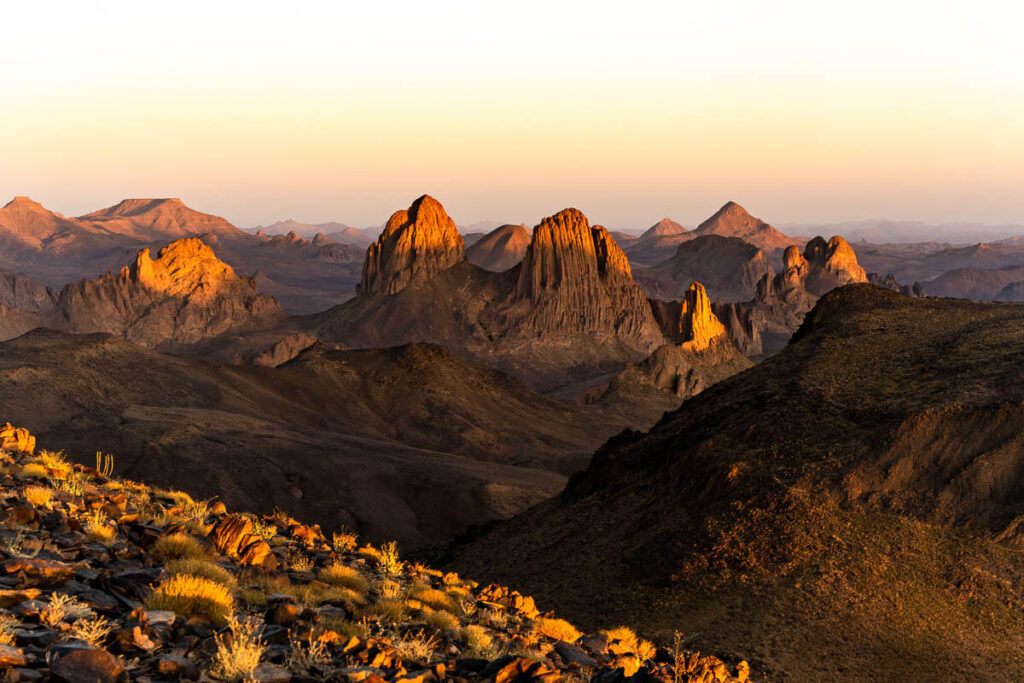
Wanna travel to Algeria with Against the Compass?
Join a group of like-minded travelers in our next scheduled tour in Algeria:
December 4th to 11th, 2026
The best desert in the world, first-class Roman ruins, photogenic desert towns, and a vibrant local atmosphere, all with barely any tourists, just like Morocco was 50 years ago.
Algeria is definitely the cheapest and most off-the-beaten-track country you can reach from Europe.
This is one of the very few countries where my visa got rejected (back in 2018), but with the new visa-on-arrival regime, I finally managed to travel in Algeria for 17 days, definitely not enough for such a big country.
This is a quick, practical travel guide to Algeria to help you plan your trip.
For things to do, check our Algeria itinerary
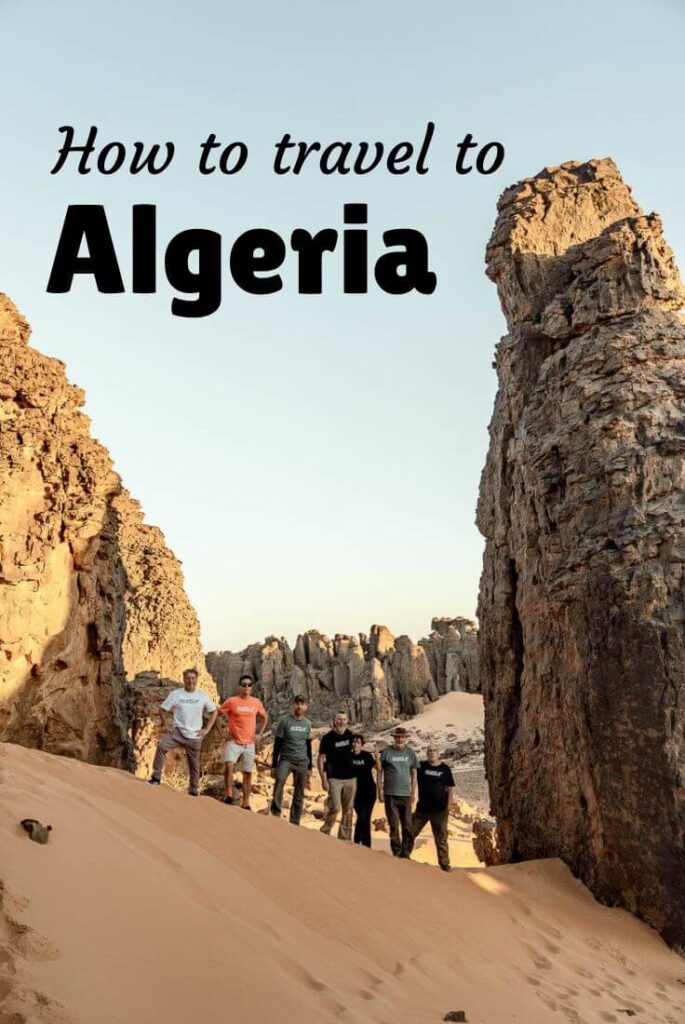
In this travel guide to Algeria you will find:
Table of Contents
our recommended travel insurance for Algeria
With its Backpacker plan, IATI Insurance is the best insurance for any kind of adventurous destination, like Algeria.
🪪 How to get a visa for Algeria
Getting an Algerian visa can be tricky, here’s what you need to know about it.
How to get a tourist visa for Algeria at the embassy
There are two reasons why applying for a visa at the embassy: it’s cheaper, plus it allows you full independent travel in Algeria.
The biggest downside, however, is that, first, you need to go to an embassy or consulate and, second, that there’s a chance of rejection.
In my case, I did apply for an Algerian visa at the Consulate in Barcelona back in 2018.
I did present all the documents, including my flight itinerary and the respective hotel bookings. I did pay the respective visa fee, they told me to come back after one week to pick it up, but only to find out that they had rejected it.
They never told me the reason for rejection. I suspect that it was due to all the stamps and visas from potentially “evil” countries such as Syria. They might have thought I was a journalist, I don’t know… but I just didn’t get it.
Today, with the country slowly opening to tourism, it might be much easier than it used to be, so you may just try your luck.
Algerian visa requirements at the embassy
Requirements will certainly be different depending on the embassy, but in my case, at the Algerian Consulate in Barcelona, that’s what they required:
- Flight itinerary
- Hotel bookings for your entire stay
- Passport photo
- €65
It was a one-week turnaround, but I heard that the processing time in other countries (in the USA, for example) could be over a month.
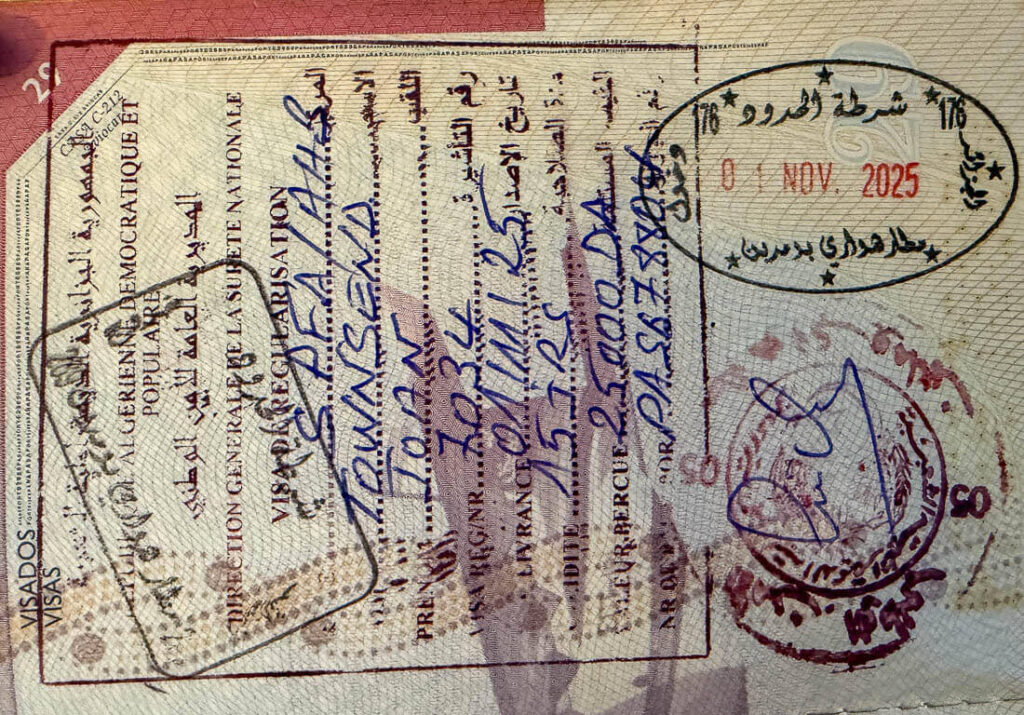
How to get a visa on arrival for Algeria
In 2024, Algeria introduced a visa on arrival regime.
While this might seem great and convenient, it’s pretty expensive, plus you first need to get a Letter of Invitation (like a pre-approval visa) from a valid tour operator.
Here’s what you need to know about it.
How to get an Algerian LOI
Only officially registered local tour operators are eligible to issue a LOI with which you’ll be able to purchase your visa on arrival.
Usually, local companies based in Algiers will force you to book a full tour with them for your entire stay, which can get expensive.
On the other hand, the companies from South Algeria, based in Djanet and Tamanrasset, can issue you a LOI valid to travel all around Algeria by just booking a desert tour with them, meaning that you can travel independently before or after the tour without any issues.
It’s important to note that the only way to visit the highlights of Tamanrasset and Djanet is on a tour; there’s no way around it.
What happens if I want to travel to Algeria but I don’t want to visit the south?
Some of those desert companies can issue you a LOI without the need to book a tour with them, but just a one-time fee, for which they usually charge around 200 USD, but could be less.
There are many tour companies in South Algeria. Just Google “Djanet tour companies” and reach out to them with your specific request.
Purchasing your visa at the airport
Upon arrival at the airport, you will have to buy your visa, the price of which will depend on the number of days you stay.
Prices keep changing based on local currency fluctuations, but as of January 2026, these are the prices:
- Up to 2 days: €35
- 3 to 7 days: €70
- 8 to 10 days: €135
- 11 to 15 days: €170
- 16 to 30 days: €340
Depending on how many days you wish to travel in Algeria, in addition to the LOI, it can get really expensive, that’s why one should also consider getting it at their respective embassy.
By the way, expect to wait between 1 and 3 hours at the airport to get your stamp.
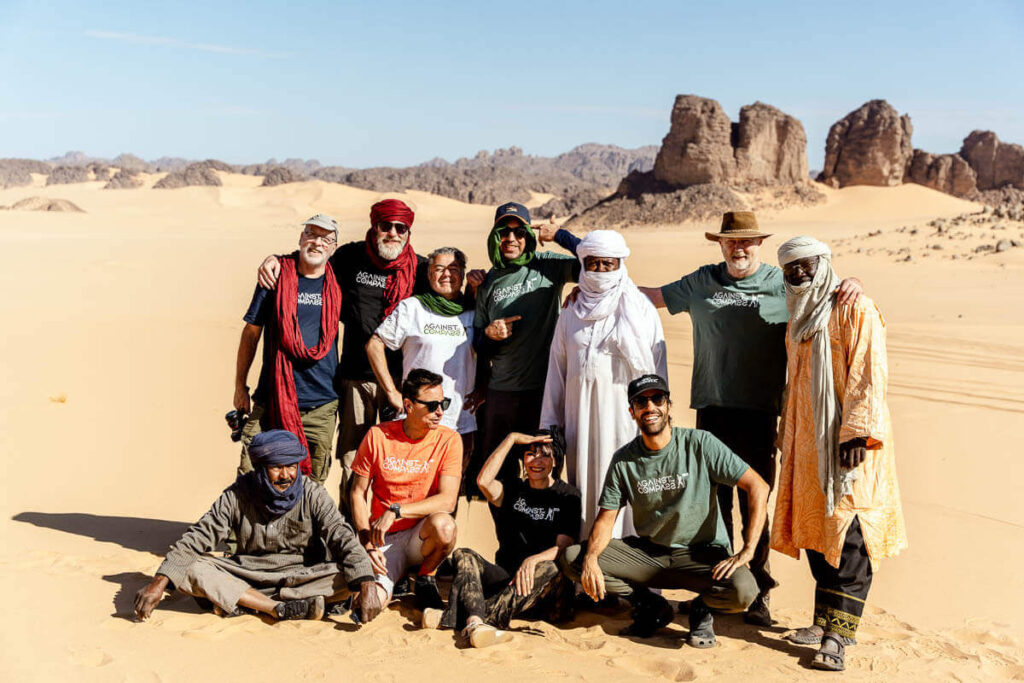
🗺️ Tours for Algeria
Traveling with a group and an expert local guide will make things much easier, and more fun!
Against the Compass has the following scheduled expedition to Algeria:
- December 4th to 11th, 2026 (North) – APPLY NOW
- December 11th to 18th, 2026 (South) – APPLY NOW
- January 19th to 26th, 2027 (North) – APPLY NOW
- January 27th to February 3rd, 2027 (South) – APPLY NOW
- March 19th to 26th, 2027 (North) – APPLY NOW
🚑 Travel insurance for Algeria
Algeria is an adventurous destination, so we recommend going there with proper travel insurance.
I recommend IATI Insurance because:
- Their backpacker plan covers all types of adventure activities, including trekking
- Very competitive prices
- Readers of this blog can get a 5% exclusive discount
🛫 How to get to Algeria
How to travel to Algeria by air
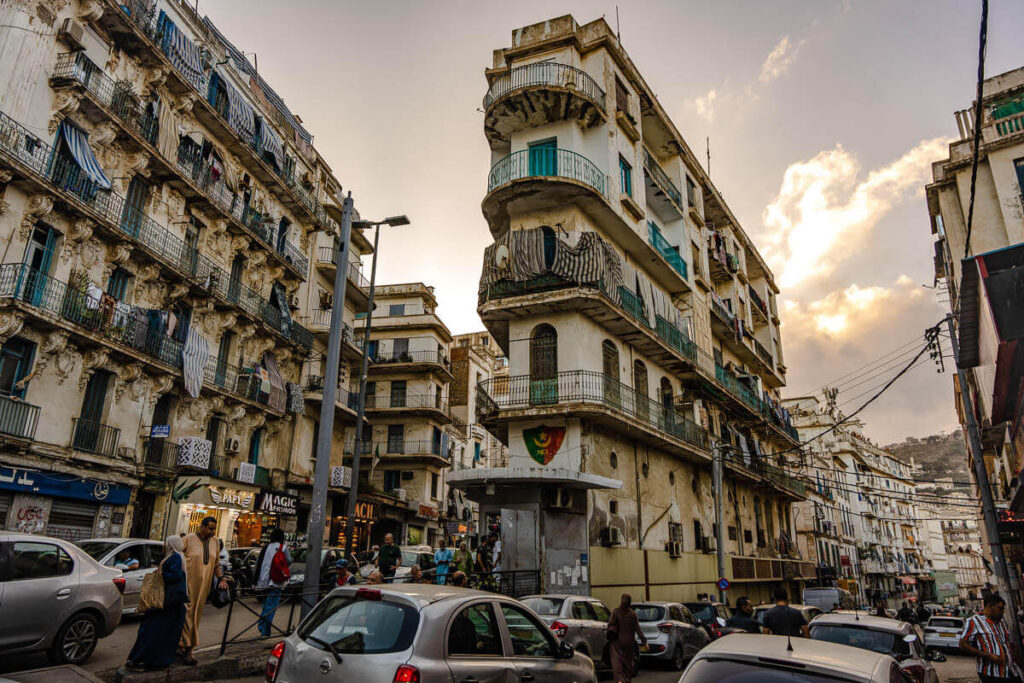
Algiers International Airport Houari Boumediene (ALG) is the main airport in Algeria.
The main airline is Air Algérie, which has daily connections with Paris, Madrid, London, Frankfurt, etc.
Some people have trouble when booking directly from the Air Algérie website. I actually recommend booking it from one of the many third-party booking sites that show up on flight search websites such as Skyscanner.
Alternatively to Air Algérie, you may also fly from Barcelona with Vueling (ridiculously cheap), Air France, among many others.
The second international airport is Oran’s, called Ahmed Ben Bella Airport (ORN), with obviously far fewer connections, but still good, with airlines operating such as Turkish Airlines, Vueling, and Air France.
Tip: If you are planning to travel to Algeria with a visa on arrival, make sure your LOI mentions your port of entry.
How to travel to Algeria by land
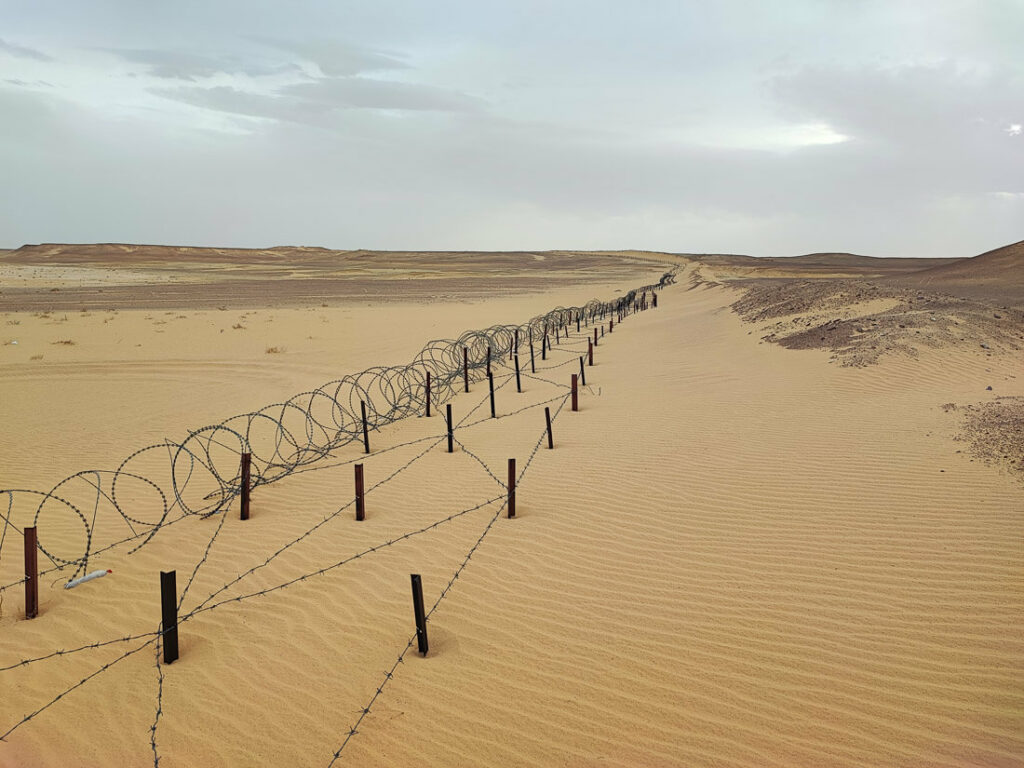
Algeria shares a border with many countries but pretty much all of them are closed.
Morocco: Border is closed due to political tensions.
Mauritania: It’s definitely open to locals, and I heard also to travelers with a valid visa and their own wheels, a big adventure not many people have attempted, not recently at least.
Mali: This is one of the most dangerous borders in the world. Closed.
Niger: Not open to foreigners, only local Touareg.
Tunisia: The only border fully functional and open to tourists.
Libya: Closed, but you can enter Libya via Tunis.
How to travel to Algeria by boat
I haven’t taken that route, so I really can’t talk by experience, but I do know that ferries run daily between Valencia, Barcelona or Marseille and Algiers, and even between Almería and Oran.
This is a great option for people wanting to travel around Algeria by either car or motorbike.
Given the large community of Algerians living in both Spain and France, there are many booking websites where you can check schedules and purchase your ticket, just look online.
I was recommended Click Ferry for ferries operating from Barcelona and Valencia.
🌥️Best time to visit Algeria
Your perception may be that Algeria is hot all year round, but that’s not the case — and it also depends on where and when you travel.
Visiting Algeria in winter, from December to February
I like mild cold weather, so for me this would be the best time to visit Algeria, especially Djanet, when daytime temperatures are pleasant.
Take into account, however, that Tamanrasset can get very cold in the depth of winter, especially in Assekrem, which sits at over 2,700 metres.
I visited in November and temperatures dropped to a few degrees below zero at night.
Winter is also the best time to explore Ghardaïa (too hot during most of the rest of the year). It’s also OK to visit the north — it can be chilly during some weeks, but the weather is generally fine during the day.
Visiting Algeria in spring and autumn, March to May, and October to November
On average, spring and autumn are the two best seasons to visit all of Algeria, when the weather is generally pleasant across the country. That said, it can get hot in Ghardaïa and Djanet if you come too early in autumn or too late in spring.
Visiting Algeria in summer
Algeria has a long stretch of coastline, so travelling along the coast in summer can be a good option.
However, the south is far too hot at this time of year.
🛺 How to move around Algeria
In 2011, when Sudan split into two and South Sudan became independent, Algeria became the largest country in Africa overnight.
I actually wonder whether Algerians celebrated that… but anyways, Algeria is so big, that you may want to consider taking domestic flights.
Traveling around Algeria by air
Air Algérie has very affordable domestic flights connecting pretty well all main towns and cities in Algeria.
While it’s true that most connections go through Algiers, direct connections between secondary towns like Tamanrasset and Ghardaïa also operate, just not every day.
Either way, check scheduled flights on Air Algérie.
Usually, they only schedule flights a few months in advance, but timings rarely change, so use their historical data to guess the approximate departures.
As mentioned, foreign cards are not usually accepted on the Air Algérie site, but you can do so via one of the booking sites that show up on Skyscanner search.
Traveling around Algeria on public transport
Overland travel in Algeria is slow but completely doable.
In the north, you have a few train lines mainly connecting Algiers and Oran.
For the rest, you can travel anywhere by minibus or coach bus, even to Tamanrasset, even though it would take at least two days to reach it.
⚠️ Is Algeria safe
In the 1990s, Algeria went through a brutal civil war that left around 200,000 people dead, and made Algeria became associated with war and conflict.
In the early 2000s, however, the situation has improved dramatically, with the Government defeating most armed groups and pushing terrorist cells pushed into remote border areas, especially near Mali, Niger, and Libya.
Terrorism is not considered to be a threat in Algeria and, while border issues still happen, Algeria is today considered a safe country to travel to, and it’s not me who says it.
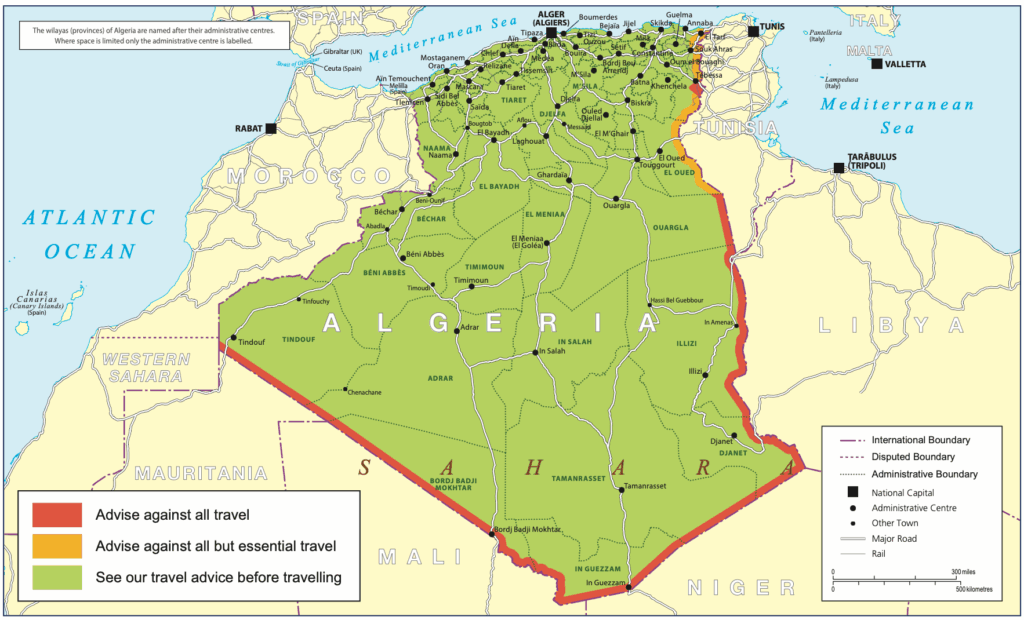
According to the FCDO, all of Algeria is safe to travel to except for the border areas with Mauritania, Mali, Niger, and Libya. Tunisia’s border is just OK.
💰 Money
In Algeria, they use the Algerian Dinar and approximately:
1 EUR = 150 DZN
That is the official bank rate, but on the black market you can exchange for up to 250 DZN, so never exchange at the bank and/or official exchange offices.
In Algeria, euros are preferred over US dollars, but both are accepted.
Where to find the black market in Algeria
The black market is every Algerian wanting to buy some of your euros, and you can find them anywhere, from the airport arrival terminal to the reception of your hotel.
Upon arrival at the airport in Algiers, you are likely to need some local currency to pay for transportation to the city. Look for money exchangers, although they will certainly approach you, and just exchange a small amount, since they probably won’t offer the best rate.
However, the official black market place in Algiers, where you get the best exchange rate, is in Port Saïd Square, right in front of the emblematic Tantonville’s Café. Money exchangers are standing all over the square, check the rate with a couple of them to get the best rate but be careful not to get scammed and do count each and every note.
By the way, exchanging your DZN back to euros is not possible. Banks and official exchange offices won’t take them unless you have a receipt, which you will only get if you bought DZN in an official entity, which you won’t because you want to take advantage of the black market. Therefore, do spend all your dinars before leaving. One small tip: if you are into wine and have some dinars left… At the airport, besides regular souvenirs, there’s a wine shop where you can buy locally made wine, quite decent for regional standards.
Using cards in Algeria
You might be able to use some card in certain hotels or nice restaurants but I don’t recommend it, since you will be paying the official rate.
🧭 North or South Algeria: what should you visit
I don’t have much time to visit Algeria, what should I focus on, north or south?
If you want to visit both regions properly, you’ll need at least a week for each, and I know most people don’t have time for that.
So, what’s better: north or south?
My personal opinion: I personally prefer traveling in southern Algeria. I find it more epic, adventurous and unique. Assekrem is absolutely outstanding, such a beautiful stretch of the Sahara at that altitude; there’s nothing else quite like it in the world. Djanet is impressive too, not only for its landscapes but because it’s so varied, all combined with a visible, raw Tuareg culture. It truly makes Wadi Rum in Jordan look like a desert for amateurs.
However, at the end of the day, it will depend on your preferences and what you enjoy. Do you prefer Roman ruins, exploring old kasbahs and experiencing local city life? Then you might prefer the north.
Personally, I don’t prioritise the north because, having traveled extensively in Morocco, Tunisia and northern Libya, I didn’t find Algerian cities and urban life dramatically different. But that’s just my personal perception and preference, nothing more.
🕌 The people, language & culture
Algeria is part of the Maghreb, a region in North Africa shared with Morocco, Tunisia, Libya, and Mauritania. From a cultural and historical perspective, these countries have a lot in common, including their Arabic dialects and their Arab and Amazigh (Berber) heritage.
They are similar, but also very different, each with a strong and distinct identity.
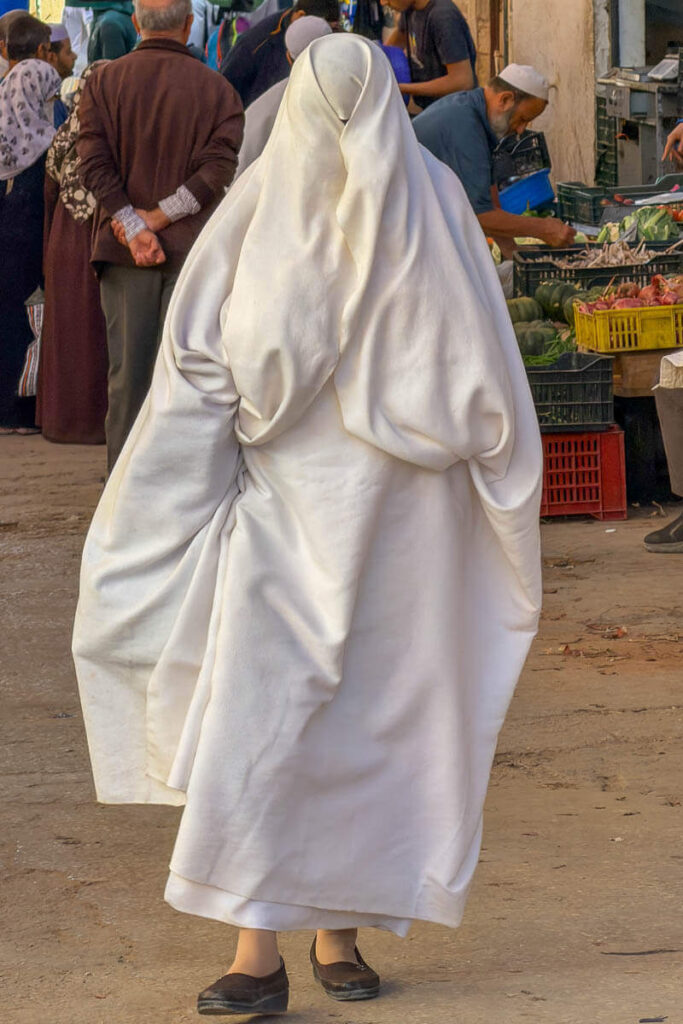
Compared to Tunisia and Morocco, I found Algeria to be more conservative and significantly less Westernized, which doesn’t really surprise me given the fact that the country was closed off to tourism for decades and is only opening up now.
By Westernized, I mean a very limited presence of foreign brands, far fewer tourists, and a society that feels more raw, very Algerian. This also translates into people being generally curious, welcoming, and genuinely interested in foreigners, precisely because we are still a rarity.
That said, Algeria is a huge and extremely diverse country, so things vary a lot between cities, ethnicities, and social groups. Ghardaïa, for example, is one of the most conservative places in all of North Africa, while certain coastal cities such as Béjaïa are far more relaxed.
Similarly, people in Djanet are quite used to tourism, unlike most other cities in the country.
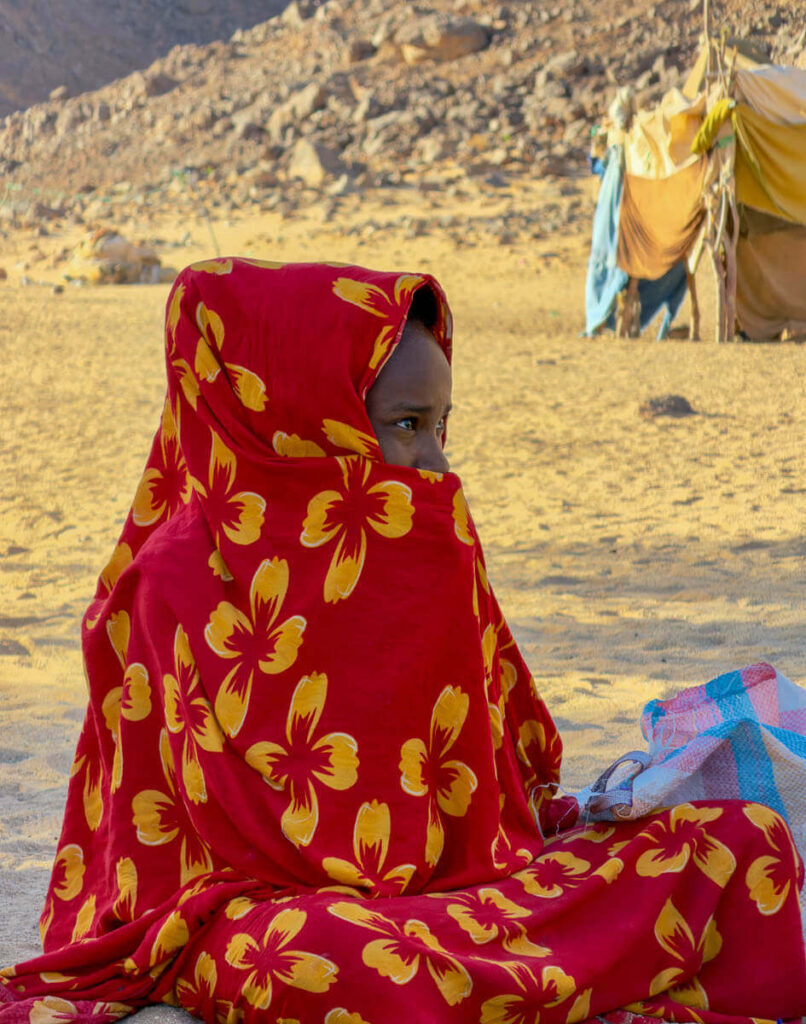
Language in Algeria
The official language of Algeria is Modern Standard Arabic, but in daily life people speak Algerian Arabic, which is very different from standard Arabic. Amazigh (Berber) is also an official language.
French is widely spoken across the country and among almost all social classes—the more educated people are, the better their French tends to be. If you speak some French, traveling around Algeria is relatively easy, as English is still rarely spoken.
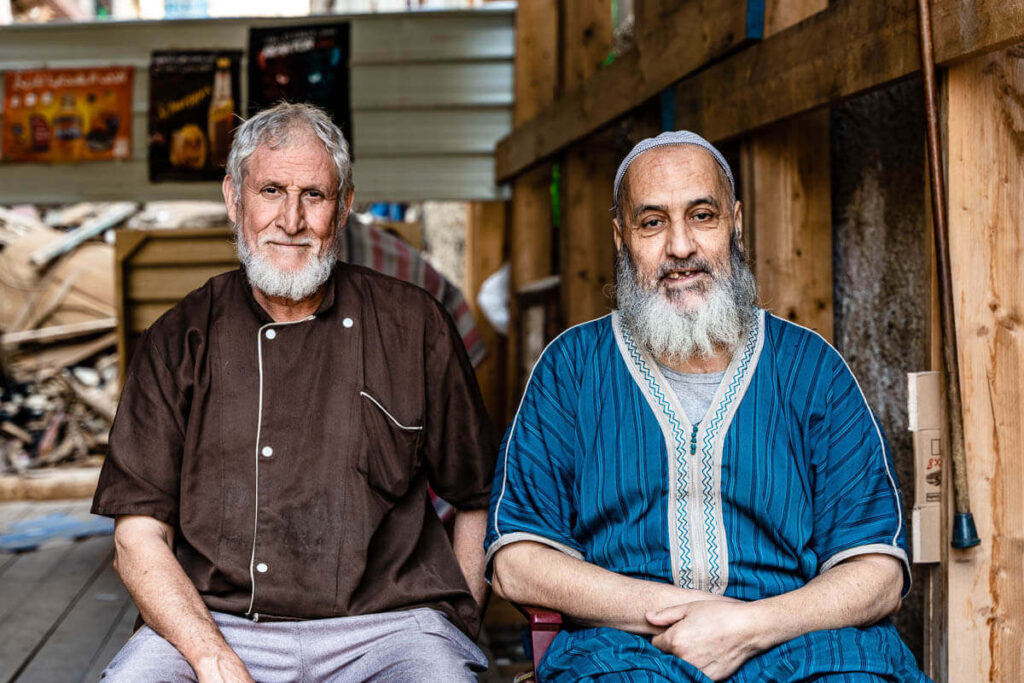
💻 Internet
Wi-Fi and internet speed in Algeria
Most hotels have Wi-Fi but it’s usually not great in Algeria, especially in Ghardaia and the south. In the north, it depends on the hotel you are in but, generally speaking, it’s better to rely on internet data, it works much better.
Needless to say that you won’t get any internet in the desert of Djanet and Tamanrasset, but you will in the respective towns.
How to get a SIM card in Algeria
Internet data is very cheap in Algeria, and you can easily get a SIM card at the airport itself. You may also want to get different SIM cards depending on where you go. Algeria is very big and different providers have different coverage in each region. There are a few providers at the airport; do ask them which regions in Algeria you are traveling to and they will advise you.
If you travel with a laptop or an iPad and plan to hotspot from your phone, know that I never managed to make it work with the prepaid local SIM. For that, I had to purchase an eSIM. I bought Airalo. It’s very expensive compared to local plans and it works OK, but I needed to connect to my laptop while traveling, so it was a no-brainer to me.
Get a VPN for traveling in Algeria
You should always use a VPN when you travel, especially when you connect to public Wi-Fi networks.
Your connection will be much safer.
Moreover, you will be able to access content which is typically censored in Algeria.
I recommend ExpressVPN – Extremely easy to use, fast and cheap.
❗More information for traveling in Algeria
📢 In my Travel Resources Page you can find the list of all the sites and services I use to book hotels, tours, travel insurance and more.
All guides and articles for traveling in Algeria destination
Travel guides to other countries in Africa
- Ethiopia Travel Guide
- Eritrea Travel Guide
- Somaliland Travel Guide
- Travel Guide to Sudan
- Travel Guide to Egypt
- Libya Travel Guide
- Mali Travel Guide
- Tunisia Travel Guide
14 comments
I’ve been to Algeria last year for 2 weeks and I absolutely loved it. Real hidden gem. Next to giants like morocco and tunesia this really is the dark horse in the region. But in my opinion it does everything it’s neighbours do and even does them better. Can recommend
I think Morocco is better in most aspects, including preserving their old towns and also traditions in handy craft making for example. In Algeria, most Kasbah are in deplorable state and shops only sell Chinese-made products, but it’s a trade off, and opens the debate on whether mass tourism is good for the country or not. The Algerian desert however, is unbetable, can’t be compared with Tunisia’s or Morocco’s.
That has everything to do with the different French colonization of the two countries. Algeria occupied for three times as long as Morocco, and completely “Franco-fide” with colonial architecture, culture, literally covered over most real Maghreb culture. In Morocco, they left the Imperial cities intact and built their “Ville Nouvelle” next to instead of on top of the cities. Far less impact and destruction of a civilization in Morocco.
Yeah those nasty colonizers right? Building up all the houses that people still use 60 years later.
Ahh second time lucky!
I had quite a painfree experience with my visa, I posted passport to embassy in London and got it back approved within 2 weeks despite also having some dodgy stamps
Agree it was expensive with the fee and postal return envelope but cheaper then sorting a LOI and allowed me to arrive straight into Algiers by air
I couldn’t believe how friendly and hospitable Algeria was! The guy next to me on the flight invited me to his family’s house for dinner the night I arrived and then even to his nephews first birthday party the next day! But that warm Arab culture who would give you the shirt of their back
Anyway agree hidden gem! And the guerilla history is fascinating! Highly recommend
I hope to apply in London. What paperwork did you need for your visa ?
The 2nd airport in Algeria is ORN not ORA where is just located in south Caribbean sea.
: )
thank you! I fixed it 🙂
Will you write an itinerary for Algeria well?
I can’t promise but I’m definitely trying to find the time 🙂
That sounds promising, is the Visa on arrival also possible at the land border (from Tunisia)? I was planning to cycle there, but I’m already on the road, so going back to my country to apply does not make sense. Otherwise I need to skip it, but I’d be very happy if this works with VoA
That’s a good question and I am double checking it for you as I reply to this comment. I’ll answer you back once I get more info.
So great to hear about Algeria!!
Truly a beloved place.
But reading how travel has changed is shocking.
Spent two months traveling there in early ’92, middle of election mayhem when Islamic party just won two rounds of a 3-part election, and suddenly the West and puppet government in Algiers wasn’t going to let THAT happen–they cancelled the 3rd round. Civil war had started but somehow we’d been allowed to slip across the Moroccan border (later we heard so many others had been turned away), and the Cheshire-cat consular official in Algiers even gave us an extension (after his heavy flirting). We rec’d a 3rd extension in Tipasa, but Kafka-esque bureaucratic nightmare and tears shed during that one.
Worth it, though.
Stayed at a litte hotel on Port Said Sq in Algiers, gunshots heard at night in the medina streets behind opposite side of Square. Tanks rolling through town, guys getting kindapped into unmarked cars in the streets below us (I was unwisely taking photos the whole time).
Algieria was the highlight of an already amazing 17 month travel. Most hospitable and sweetest people in the entire world. Hitchhiking, invitiations to homes, offers of help if we simply stopped to wonder.
And what a place of PLACES!
Algiers, the Kabylie, Bejaia, the long Mediterranean coast (near-zero development), the desert oases & their remarkable fogarra irrigation systems, the great dunes, Tamanrasset and a wild encounter with a matriarchal culture, Ghardaia and its rugs, cliffs of Constantine, the vast Roman Djemila was incredible (10 cents to get in, only ones there), the magical Hoggar range and Assekrem–an overnight w/les petite frere at tiny mountaintop hermitage, climbing to see sunrise over that Dr. Seuss vista.
We spent weeks driving through the Sahara–we’d dumbly entered the oases towns at the start of Ramadan, but fortunate for us while on a dune of the Great Western Erg we met a rich, British farmer named “Charles”, w/his decked out Unimog RV and a marvelous spitfire Frenchwoman Helene. To our luck, they were at each other’s throats so they invited us to ride along. We slept out in the desert winds inside our trusty dome tent, eating lunches of NZ cheddar and Spanish wine, visiting greenhouse operations and experimental ag stations growing salad crops for Europe and trying out barley fields right in the sand–water being plumbed from 1000 meter wells.
An unparalleled opportunity…he anti-social so we did all the negotiating and shopping, and she French-speaking so we never missed a conversation with the locals!!
He was a colonialist prig who wanted me to video out the top of the truck while he chased down gazelle pairs (NO!) or drove through walled Muslim towns (NO!!), so after three weeks of desert adventures we ditched him in Ghardaia, w/Helene in tow–who then offered us her rustic Greek bungalow on Milos island during our onward travels-where we stayed for two months of idyllic village & isle revery, and she became a friend for life.
Ooops, way off-subject!
Algeria was the definition of a hidden gem, and sounds to still be true.
I’m grateful to get this inside look.
Sigh. I always dreamed of going back.
But after traveling it all completely unfettered, slow, no limits, no tours, free visas, like we were the only ones there….memories may be the way to go.
Thank you so much for this fantastic write-up, Janina, very inspiring, I wish I could have traveled there during those times.